How Microdramas Are Rewriting the Rules of Entertainment

Shot of a young woman showing her friend something on her cellphone while sitting together on a bed.
A new format has wide appeal to viewers - and advertisers should take note.
A few years ago, most marketers had never heard the term microdrama. Today, the format is emerging as one of the most talked-about developments in digital entertainment. Built for mobile-first audiences, microdramas combine the convenience of short-form video with the emotional payoff of traditional television storytelling. Episodes typically run just one to three minutes, are designed for vertical viewing, and often unfold across 50 to 100 episodes packed with dramatic twists and cliffhangers. What sounds like a niche trend is already attracting 13 million Americans, making microdramas one of the fastest-growing forms of mobile entertainment.


Interest in microdramas may offer an early glimpse into how consumers want to engage with video content in the future.

Consumers Still Want Stories. They Just Want Them on Their Terms.
Microdramas are often described as a new format, but the audience demand behind them is anything but new. Consumers still crave compelling stories. What has changed is the amount of time they're willing to dedicate to finding and watching them.
Today, 5% of Americans, roughly 13 million people, watch microdramas. They most commonly access them through familiar platforms including YouTube Shorts (49%), TikTok (44%), Instagram Reels (36%), ReelShort (24%), and DramaBox (23%). What makes the format particularly interesting is how seamlessly it fits into daily life. Instead of sitting down for a 60-minute drama, viewers can consume a few episodes while waiting in line, commuting, or taking a break between tasks.
Microdramas aren't replacing television, but they are creating new viewing opportunities during moments that previously weren't viewed as entertainment time.
The Secret Is That They're Surprisingly Hard to Put Down
The appeal of microdramas isn't simply their length. It's their ability to create emotional momentum. The format borrows many of the same storytelling mechanics that have fueled binge-worthy television for decades, then compresses them into episodes that last only a few minutes.
Among microdrama viewers:
- 83% say cliffhangers make microdramas difficult to stop watching
- 78% typically binge multiple episodes at once
- 76% say microdramas are easier to commit to than traditional TV shows
- 67% describe them as a guilty pleasure

The result is a format that feels effortless to start but surprisingly difficult to leave behind. In an era where attention is scarce, microdramas have figured out how to make every minute count.
79% of microdrama viewers prefer free, ad-supported content over paying for a subscription.

The Audience Is More Mainstream Than You Think
It's easy to assume microdramas are primarily attracting Gen Z audiences. The data suggests otherwise. Adults ages 35–44 are 33% more likely than the average adult to watch microdramas, and viewers have a median age of 42. Overall, viewers tend to skew female, diverse, more likely to have children at home, and more likely to come from lower-to-middle-income households.
What's particularly interesting is how viewers describe themselves.
- 79% say they are passionate and emotional people
- 74% describe themselves as creative or artistic
- 56% identify as shy or bashful
- 44% describe themselves as tense, nervous, or high-strung
Their hobbies tell a similar story. Compared with the average consumer, microdrama viewers are more likely to attend dance performances and concerts, pursue creative activities like painting and drawing, and even collect items such as vinyl records and action figures. These aren't simply consumers looking to fill spare time. They appear to be people who value creativity, emotional connection, and immersive experiences. In that context, it's not surprising that a storytelling format built around drama, relationships, and cliffhangers has found such a receptive audience.
It's Not Just Microdramas. These Viewers Love Content.
One of the biggest misconceptions about microdrama viewers is that they're replacing traditional entertainment with short-form content. The data suggests the opposite.
These consumers are among the most avid content viewers in the market.
Among microdrama viewers:
- 84% would pay for a streaming show they're interested in
- 78% save shows to binge-watch later
- 78% say following favorite shows week-to-week is important
- 74% say there are more shows they'd like to watch than they have time for
- 73% watch new seasons as close to release as possible
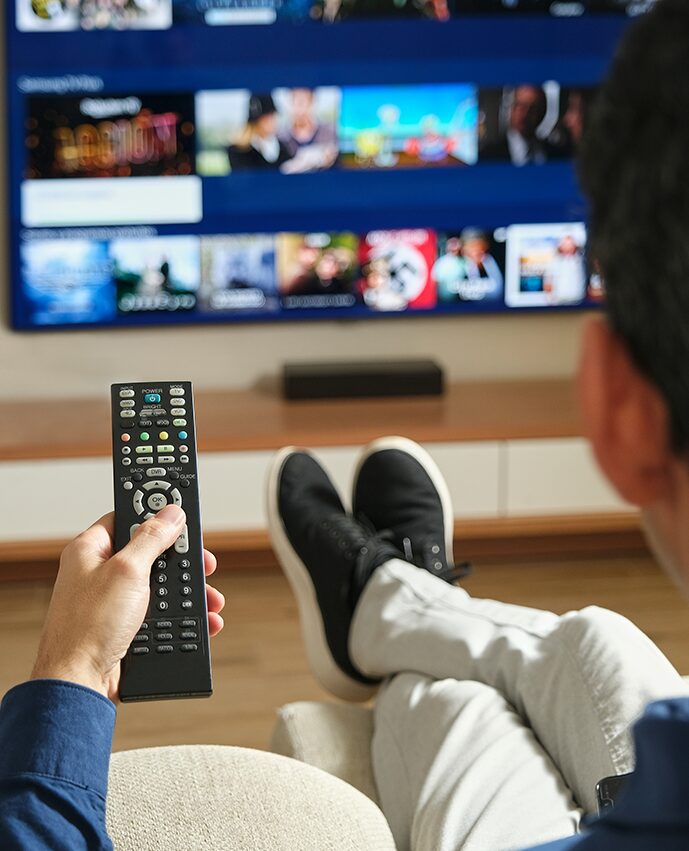
They're also heavy users of virtually every major media channel, over-indexing as total TV viewers, streamers, social media users, short-video viewers, magazine readers, and audio consumers. Rather than replacing existing media habits, microdramas appear to be expanding the media day.

Why Advertisers Should Pay Attention
The audience’s engagement with content also appears to influence how they interact with advertising. This may be one of the most compelling findings. While consumers are often portrayed as increasingly frustrated with advertising, microdrama viewers appear far more receptive when ads are delivered in the right environment.
Among microdrama viewers:
- 79% prefer free ad-supported content over paying for a subscription
- 73% say ads on streaming services are relevant to them
- 60% are more likely to research products advertised on streaming services
- 59% say streaming ads are more memorable
These viewers are also heavily influenced by trends, actively connect with brands through social media, and are more likely than average to share reviews and opinions online. For advertisers, that's a powerful combination of engagement, discoverability, and influence.
The Real Opportunity? Borrow the Mechanics, Not Necessarily the Format
The more I look at microdramas, the less they feel like an entertainment story and the more they feel like a consumer behavior story.
People are finding ways to fit storytelling into the spaces between everything else. They're looking for content that's easy to start, emotionally rewarding, and worth returning to. That's why microdramas matter. Not because they're the next Netflix hit, but because they reveal how consumers increasingly want to engage with content.
For brands and retailers, the lesson isn't to create their own microdrama. It's to borrow the mechanics that make them so compelling. Cliffhangers create anticipation. Serialized storytelling builds momentum. Emotional connections drive engagement. And short, snackable chapters make it easier for audiences to keep coming back.
In a world where attention is increasingly fragmented, the brands that win may be the ones that give consumers a reason to stay tuned for what happens next.

Ready to activate your next campaign?
MRI-Simmons has a full library of syndicated audience segments ready for activation through leading programmatic platforms.
Learn more about our consumer audiences.
Source: MRI-Simmons 2026 August Cord Evolution Study (SP26 USA) & MRI-Simmons 2026 Content Drivers Study (SP26 USA); Audience: Microdrama Viewers