Why Video Podcasts Are Becoming a Mainstream Media Channel
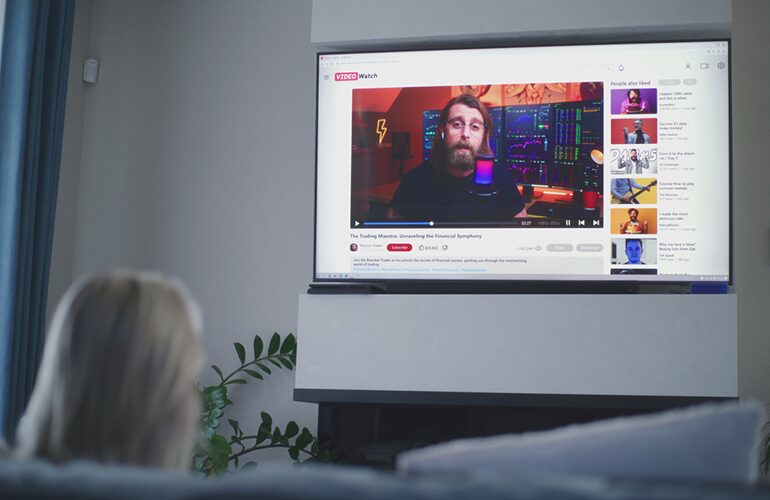
Key takeaways from the State of Streaming Podcast featuring Emily Williams, Consumer Researcher at MRI-Simmons
For years, podcasts were viewed primarily as an audio channel. Today, consumers see them very differently.
According to MRI-Simmons research discussed on the State of Streaming Podcast, only 36% of podcast consumers still define podcasts as audio-only, down from more than 60% in 2021. At the same time, 89% watch video podcasts, while 96% continue to consume audio versions.
The shift signals something much bigger than a format change. Consumers are increasingly engaging with podcast content across connected TVs, streaming platforms, social media, mobile devices, and traditional listening apps.

The New Podcast Reality
As Emily Williams put it, "The definition of a podcast is breaking down. But I don't think that's a bad thing."
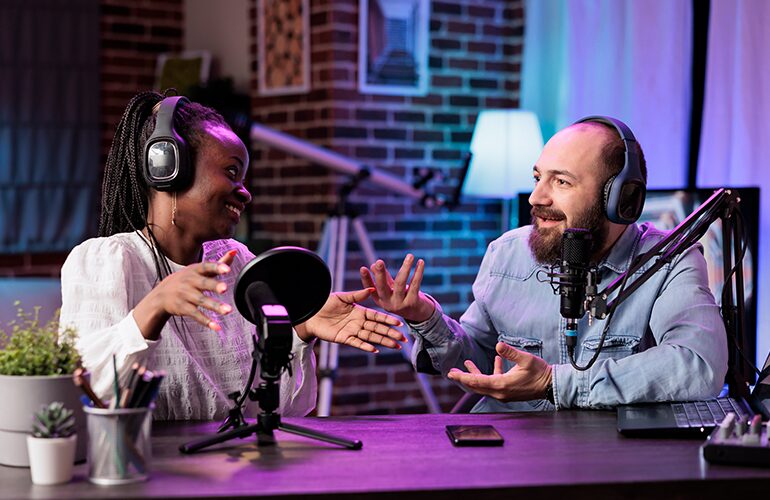
As this perception evolves, podcast consumers are embracing podcast content in both audio and video formats rather than choosing one over the other. The data suggests that consumers increasingly view podcasts as a flexible, cross-platform experience that can fit different moments throughout the day. Whether they're discovering clips on social media, watching a full episode on a connected TV, or listening during a commute, audiences are engaging with podcasts in more ways than ever before.
- 89% watch video podcasts
- 96% listen to audio podcasts
- 74% see video as an enhancement to audio
- 44% discover podcasts through social media
- 23 million consumers have replaced streaming video time with podcasts

44% of podcast consumers discover new shows through social media, making clips the new engine of podcast discovery.
Consumers Follow Content, Not Platforms
The rise of video podcasts reflects a broader shift in consumer behavior.
Historically, marketers planned around channels such as television, social media, and podcasts. Consumers don't think that way. They discover a clip on social media, watch a full episode on YouTube or a connected TV, and continue listening later on a podcast app.
What marketers view as multiple channels often feels like a single experience to consumers. As Williams observed, consumers are not following distribution technologies. They're following hosts and creators. People go wherever the content is.
For many audiences, video podcasts now compete directly with traditional television for attention, engagement, and viewing time.
Discovery Is Driving Growth
One of the biggest drivers of podcast growth is changing discovery behavior.
Today, 44% of podcast consumers discover new shows through social media, making it the leading source of podcast discovery. A single podcast episode can generate dozens of clips that travel across TikTok, Instagram, YouTube, and other platforms, exposing new audiences to creators and content.
Consumers often discover a moment before they discover a show. That dynamic has helped transform podcasts from a niche format into a cross-platform media experience.
Why Marketers Should Care
Video podcasts offer a unique combination of scale, engagement, and audience loyalty.
Research discussed during the podcast found that nearly 60% of podcast consumers consider podcasts more engaging than television. Additionally, 70% would consume other content from publishers behind podcasts they enjoy, and 70% would watch a television show or movie based on a favorite podcast.
These findings highlight the strength of the relationships creators build with their audiences. For marketers, that means opportunities to reach highly engaged consumers who follow trusted voices across multiple platforms and experiences.
The Takeaway: Plan Around Audiences, Not Formats
The emergence of video podcasts is another reminder that consumer behavior evolves faster than industry definitions.
Consumers no longer draw clear distinctions between podcasts, streaming video, social media, and television. They move seamlessly among platforms in pursuit of content, conversations, and communities that matter to them.
As Williams noted, consumers care less about how content is delivered and more about why they're consuming it.
The marketers who succeed will be the ones who understand those audiences rather than focusing exclusively on media labels.
Because the most important question may no longer be whether something is a podcast, a streaming property, or a television show. It may simply be whether it has an audience.

Want to learn more?