The Hidden Moments That Drive NFL Campaign Performance
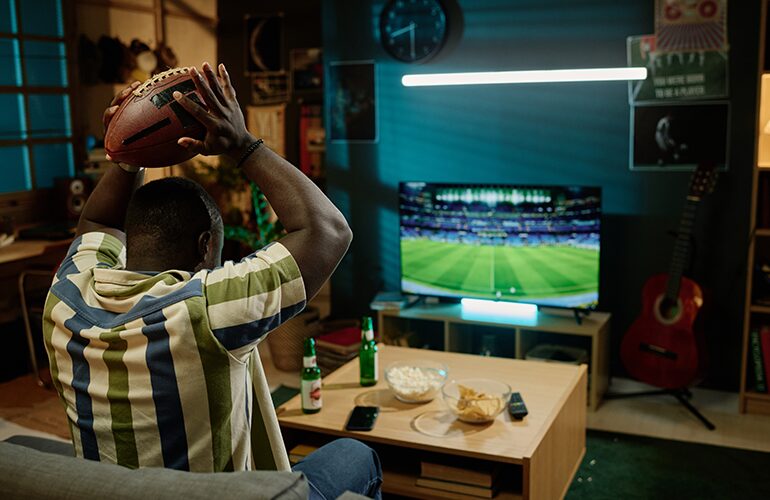
Football Is Back – but NFL Fans Never Really Left
There’s something about September. The anticipation builds, the narratives reset, and suddenly the NFL is everywhere again. But one thing is for sure: NFL fans never really left.
- About 60% of U.S. adults (roughly 157 million people) consider themselves NFL fans, but within that group, intensity varies widely.
- You’ve got 71 million super fans who live and breathe the league, alongside 50 million mid-tier fans and another 35 million casual followers who dip in and out.
- The audience has also shifted in ways that challenge outdated assumptions. Women now make up 44% of the fan base (69 million), and Gen Z is growing fast, climbing from 10% to 15% of fans (23 million) in just five years.
Football doesn’t just happen on Sunday afternoons. It stretches across weeks, surfacing in decisions, habits, and conversations that build and fade in waves. The real opportunity is less about chasing game-time impressions but more in understanding when fans are paying attention, when they’re making decisions, and when they’re most likely to act. Those moments don’t show up neatly on a media plan, but they’re where performance is won or lost.

NFL fans are already making decisions, building routines, buying gear, setting up access, managing fantasy teams, and placing bets well before the season begins.
Phase 1: The Build-Up Before Kickoff
The weeks before the first game feel like a slow burn, but behind the scenes, they’re anything but quiet. Fans are deep in preparation mode. Lineups are being debated, bets are being placed, and group chats are lighting up.
- 21 million U.S. adults played fantasy football over the past year, and those same motivations – competition (42%), connection (42%), and pure entertainment (42%) - are ramping up again right now. It’s ritualistic. It’s habitual. And it’s only intensifying as regular season kickoff approaches on September 9th.
- Then there’s betting, which has become tightly woven into the pre-game ritual. 33 million NFL fans (21%) placed a legal sports bet in the past year, 51% more likely than the general population, and millions are already researching matchups and odds ahead of Week 1. In fact, over 31% of NFL fans already claim they’re likely to place a sports bet in the next year.
- Add in the fact that 25% of fans say they were more engaged last season than in years prior, and it’s clear the momentum isn’t slowing down.
- 25% are showing support by wearing NFL team apparel, and 19% have recently bought new gear.
- Even outside of purchases, fans are building routines around the league. They’re following the NFL on social (15%), checking league apps and sites (12%), and searching for game highlights (20%) before the season even begins.
- And they’re making sure they have access: over 70% of NFL fans subscribe to streaming platforms for the purpose of accessing sports, whether it’s a non-sports-focused streaming service like Prime Video or Apple TV (53%) or live TV bundle like YouTube TV (48%). 47% even keep traditional cable so they have access to live games.
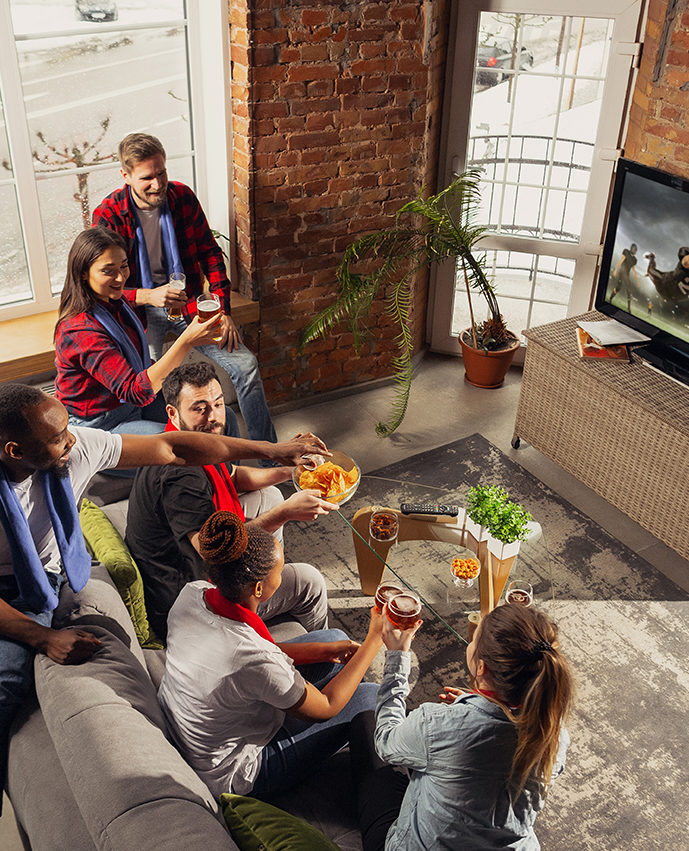
What stands out is how intentional this period is. Fans are deciding what to watch, who to root for, what to buy, and in many cases, where to put their money. For advertisers, this window is less about awareness and more about influence. By the time kickoff arrives in September, many decisions are already locked in.
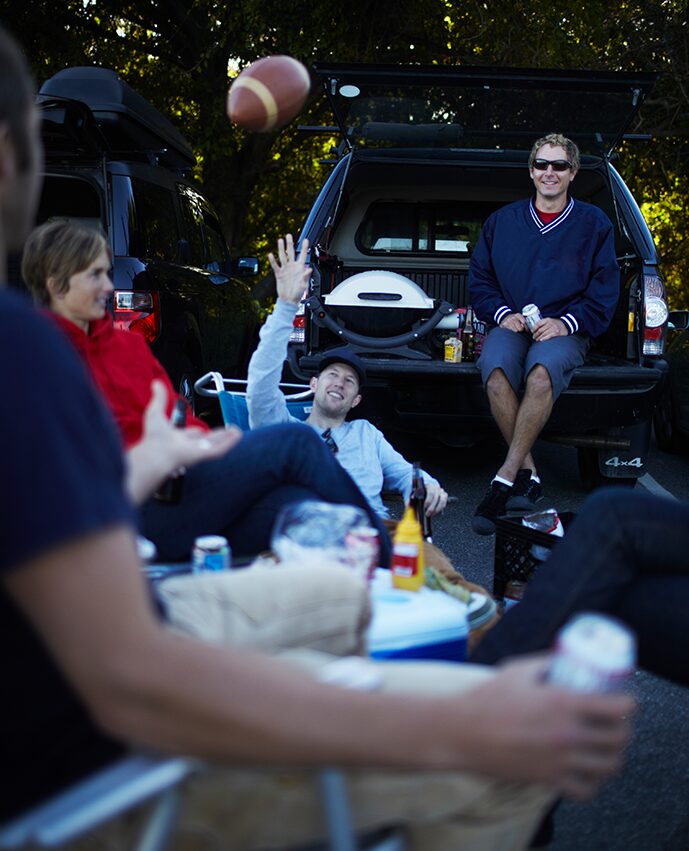
Phase 2: Game Day is the Main Event (But Not the Whole Story)
Game day still delivers massive reach, but it doesn’t look the way it used to.
- 44% of fans say they watch most games during a season, and super fans show up even more consistently at 71%.
- But there’s also a meaningful group: 16% that only tunes in for major games like playoffs or bowl games, which changes how and when attention spikes.
- Viewing itself is split across platforms. Live traditional TV still leads at 56% in the past year, yet 33% are streaming live, with smaller groups watching later via streaming (9%) or DVR (9%).
Being a fan isn’t passive, either.
- Nearly three in ten (29%) have purchased tickets to an NFL game in the past year, and just as many are willing to travel over 50 miles to do it.
- Others are turning their homes into game-day environments with décor (12%) and watch parties (11%).
- At the same time, engagement extends well beyond the screen. Fantasy football remains deeply embedded, with 69% of fantasy football players participating in season-long fantasy, while 42% participate in daily fantasy sports.
- Betting continues to grow during the season, including 31 million fans using online sportsbooks. Platforms like DraftKings (12M), FanDuel (10M), and Bet365 (6M) are now part of the game day experience, not separate from it.
Advertising lands differently in this context. Fans are tuned in.
- 61% of NFL fans notice TV commercials during sports broadcasts, and more than half (55%) recall sponsorship mentions.
- Context drives impact further. When brands align with teams, players, or the league itself, response rates jump. 55% of NFL fans are more likely to notice a team sponsor, and 44% are more likely to buy from one.
- More specifically, 55% of NFL fans are more likely to notice brand logos on athletes’ uniforms or helmets, and 41% are more likely to buy from them.
- 45% of NFL fans are more likely to pay attention to ads, regardless of the source, that star their favorite athletes or promote their favorite league.
- 36% of fans are more likely to buy products or services advertised on TV during sporting events, while 30% are more likely to buy those advertised on the radio.
- Even smaller details matter; split-screen ads, for example, catch attention from 34% of viewers, precisely because they signal a lull in action.
The takeaway? While game day delivers scale, and engagement is layered. Fans are watching, scrolling, reacting, and interacting simultaneously. Campaigns that treat this as a single-channel moment tend to miss what’s really happening.
Phase 3: After the Whistle When Conversation Takes Over
The clock hits zero, but fans don’t check out. If anything, the experience shifts into a more reflective, emotional phase.
- Over a quarter of NFL fans (27%) turn to sports news after games, and that jumps to 35% among super fans.
- Highlights become a second wave of engagement, with 20% of fans actively seeking them out, and even more among NFL super fans (30%).
- Social also plays a role, whether it’s following league updates (15%), sharing opinions (10%), or joining fan communities (8%).
This post-game window carries a different kind of value. Emotions are still high (sometimes higher than during the game) and that affects how messages land.
- Ads seen earlier don’t disappear; they settle in. About 35% of fans say they’re more likely to remember brands shown in split-screen ads, even after the moment has passed.
- Beyond that, new opportunities emerge. Sports podcasts, for example, influence purchase behavior for 30% of fans, showing how engagement extends well beyond the broadcast itself.
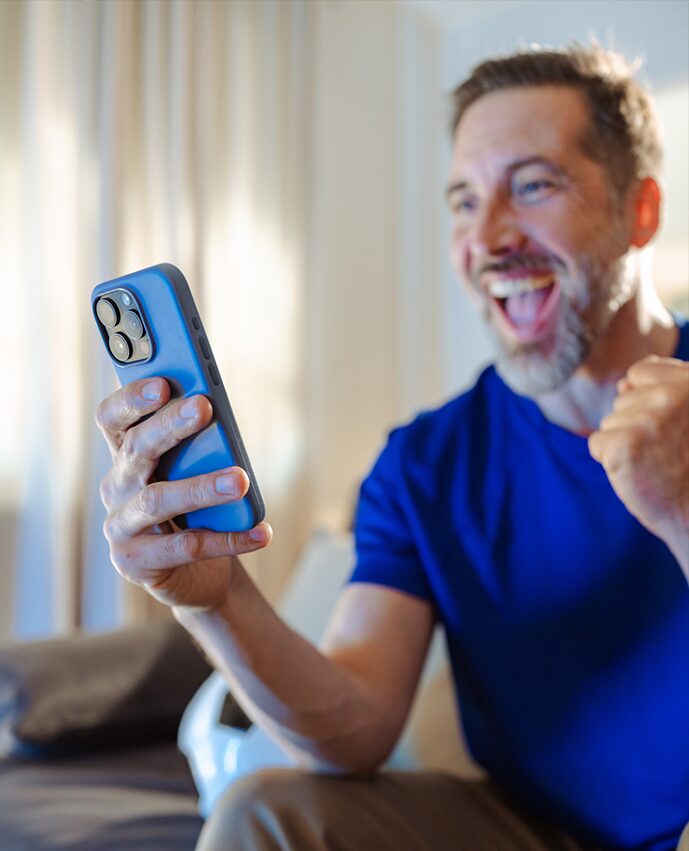
There’s a tendency for brands to go quiet after the game, but that silence leaves a gap. Fans are still paying attention, still discussing what happened, and still looking for content to extend the experience. Staying present here doesn’t require the same scale as game day, but it requires showing up in the right context.
NFL engagement stretches across the full fan journey, from early decisions around access, fantasy, and betting to post-game behaviors that keep the conversation, content, and brand impact alive.
Football Season Doesn’t Start or End at Kickoff
As the new season gets underway this September, the excitement is obvious. But the real opportunity for marketers is to understand the rhythm behind it. NFL fandom stretches across days, weeks, and moments that don’t fit neatly into a broadcast window.
From tens of millions placing bets and managing fantasy teams before kickoff, to the majority noticing ads during games, to millions continuing to engage after the final play, there’s no single “right” moment to show up. The advantage comes from seeing how those moments connect. Because when you understand how you fit into these moments, you’re not just running a campaign. You’re tapping into a behavior that never really stops and turning that into real impact for your business.
Ready to activate your next campaign?
MRI-Simmons has a full library of syndicated audience segments ready for activation through leading programmatic platforms.
Learn more about our Sports Fans audiences.
Source: MRI-Simmons 2025 November Sports Fan Study (SU25 USA)