78% of American Adults Say the Midterms Will Define America’s Future: Here’s What to Know
Midterms Matter More Than Many Marketers Realize
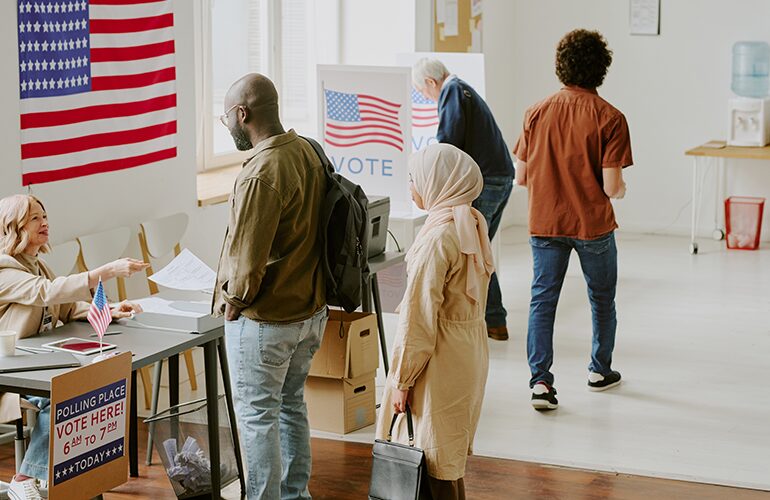
The upcoming 2026 midterm elections are shaping up to be one of the most consequential consumer moments of the year. Americans are paying attention, and the overwhelming majority see these elections as carrying weight far beyond a typical political cycle.
- In fact, 82% of U.S. adults believe midterm elections are just as important as presidential elections, while 78% agree that the outcomes of the 2026 midterms will shape the country's future.
- Yet political optimism is tempered by skepticism, as 56% believe that not much will change regardless of who wins.
- Despite that uncertainty, engagement remains remarkably high. Nearly 190 million U.S. adults (72%) plan to vote this November, creating one of the largest and most engaged audience segments available to marketers.
For brands, publishers, and agencies, these consumers represent not only likely voters but also highly attentive Americans who are actively thinking about issues, institutions, and the future of their communities.

190 million Americans plan to vote in 2026, making midterm voters one of the year's largest and most engaged audiences.
A Hopeful Electorate Navigating a Complex Emotional Landscape
While media coverage often focuses on political tension, the dominant emotions among planned voters are surprisingly positive.
- Among the 190 million adults planning to vote, 44% say they feel hopeful, 29% feel motivated, and 22% feel excited about the upcoming election. These emotions suggest many voters remain invested in the democratic process and believe their participation can make a difference.
At the same time, a significant portion of the electorate is experiencing less positive feelings.
- 26% feel anxious, 24% feel nervous, 16% feel frustrated, 14% feel powerless, and 8% feel angry when thinking about the midterms. This combination of optimism and uncertainty creates a nuanced environment for marketers.

Messaging that acknowledges concerns while inspiring confidence and empowerment is especially likely to resonate during a period when voters are balancing hope with apprehension.

Democrats and Republicans Are Experiencing the Midterms Differently
Digging deeper into voter sentiment reveals meaningful differences across political affiliations that marketers can use to refine audience strategies.
- Democrats are 82% more likely than Republicans to feel angry about the upcoming midterms, 69% more likely to feel frustrated, and 51% more likely to feel scared.
- Interestingly, despite experiencing higher levels of negative emotions, Democrats are also 26% more likely to feel motivated about the election than Republicans. This suggests a segment that is emotionally activated and highly engaged with the political process.
- Republicans, meanwhile, exhibit a different emotional profile. They are 30% more likely to feel disappointed, 28% more likely to feel content, and 25% more likely to feel powerless compared to Democrats.
These findings demonstrate that political audiences are far from monolithic. The same media buy or creative strategy may resonate very differently depending on the emotions driving audience engagement. Brands and agencies that understand these distinctions can build more relevant messaging, contextual media plans, and audience segments that align with how consumers are experiencing the election season.
Mail-In Voters Represent an Influential Yet Concerned Audience
Voting behavior itself presents another valuable layer of audience insight.
- Approximately 54 million adults plan to vote using mail-in ballots, making them a substantial and highly addressable voter segment.
- However, confidence in the voting process is not universal. Among planned mail-in voters, only 82% believe voting by mail is secure and reliable, indicating that trust concerns remain present even within this group.
- Additionally, mail-in voters are 21% more likely than the average adult to feel overwhelmed about the election. This elevated sense of overwhelm may stem from information overload, procedural uncertainties, or the sheer volume of election-related content consumers encounter daily.
For marketers, this audience may respond especially well to clear, concise, and trustworthy communications. Simplicity, transparency, and utility can become powerful differentiators when engaging consumers who are already navigating a complex and emotionally charged environment.
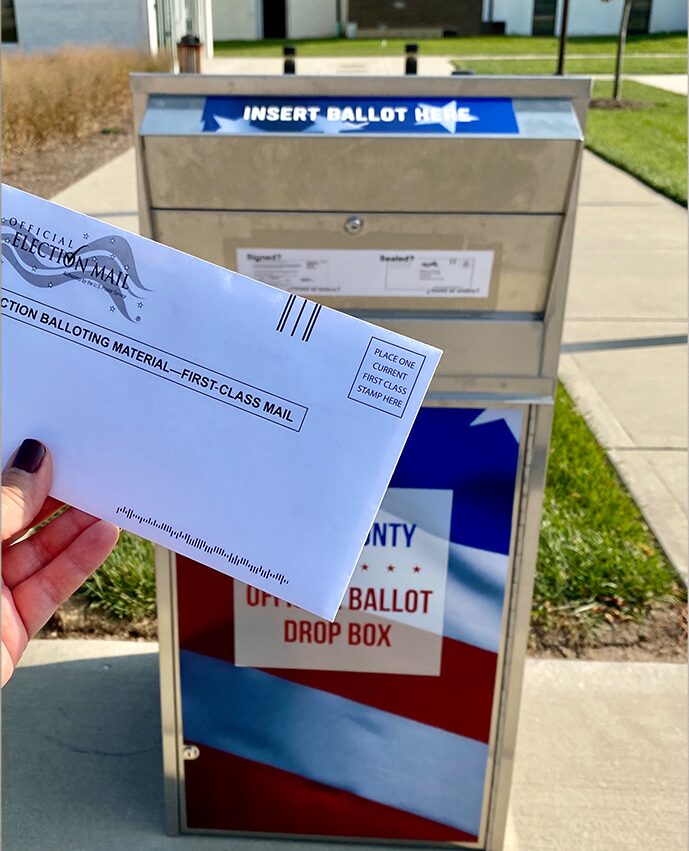
Economic concerns are rapidly reshaping voter priorities, with inflation now topping the list.

Economic Pressures Are Dominating Voter Priorities
As campaigns intensify, voter priorities reveal a dramatic shift toward pocketbook and quality-of-life concerns.
- Inflation is now a top issue for 54% of planned voters, a significant increase from 33% during the 2024 presidential election cycle. Rising costs continue to influence household decisions, making economic messaging highly relevant across industries from retail to financial services.
- 41% of voters say preserving Social Security is a top concern, up from just 20% in 2024.
- Meanwhile, 38% say access to affordable healthcare is a top voting issue, marking a significant rise in importance since 2024, when it trailed issues such as immigration reform, gun issues, climate change, and women's rights.
Other issues have experienced equally notable growth.
These increases indicate a growing focus on long-term financial stability, retirement security, and personal well-being. Brands whose products or services connect to financial resilience, healthcare access, or family security have an opportunity to align messaging with issues consumers are already prioritizing.
Immigration and Food Security Reflect Broader Concerns
Beyond economic pressures, voters remain deeply focused on social and community issues.
- 33% of planned voters identify immigration reform as a top issue, highlighting ongoing concerns around workforce dynamics, border policy, and community development.
- At the same time, 32% say food insecurity is among the most important issues influencing their vote.
Together, these findings paint a picture of consumers who are increasingly focused on stability, affordability, and access to essential resources. The prominence of food insecurity is particularly notable because it directly connects macroeconomic conditions with everyday household realities.
For marketers, these issues represent more than political positions; they signal consumer priorities and anxieties that influence purchasing behavior, media consumption, and brand perception. Understanding these concerns can help advertisers develop messaging that feels relevant and empathetic rather than disconnected from consumers' daily lives.


Political Advertising Faces a Growing Trust Challenge
Political advertisers face a difficult reality: consumers are increasingly skeptical of the information they see.
- 83% of U.S. adults believe political ads are often misleading or biased, and that sentiment rises to 86% among planned voters. This trust deficit creates a challenging environment not only for campaigns but also for brands seeking to advertise alongside election-related content.
- Perhaps most surprisingly, 75% of planned voters say political ads do not influence their vote. Yet political advertising still appears to play an important role in decision-making, as 47% say political ads help them decide who to vote for when they are undecided. This apparent contradiction highlights the complexity of voter behavior. Consumers may not consciously acknowledge the influence of political advertising while still using it as a source of information when evaluating candidates.
As skepticism grows, authenticity and credibility become increasingly important components of effective messaging.
Voters Are Searching for Trusted Sources but Finding Few
The trust challenge extends beyond advertising and into news consumption. Among the 190 million adults planning to vote, only 61% believe political ads provide insight into candidates' priorities and proposals. Trust levels across media channels are also remarkably low.
- Just 37% trust political news on TV or streaming platforms, down from 42% in 2024.
- Trust is even lower for political news websites and apps (36%), newspapers and magazines (27%), federal and organizational websites such as .gov and .org properties (22%), and political news on radio (19%).
These findings suggest that voters are navigating a fragmented information ecosystem where skepticism is prevalent, and trusted sources are scarce. For media companies, this creates an opportunity to emphasize transparency, fact-based reporting, and audience trust. For advertisers, it reinforces the importance of contextual relevance, brand safety, and partnerships with publishers that maintain strong consumer credibility.

Political Audiences Require a More Thoughtful Marketing Approach
With 190 million Americans planning to vote, the 2026 midterm elections represent one of the largest and most engaged audience opportunities available to marketers. These consumers are highly attentive, emotionally invested, and increasingly focused on issues such as inflation, Social Security, healthcare affordability, immigration reform, and food insecurity. At the same time, widespread skepticism toward political advertising and news sources means brands must work harder to establish credibility and trust.
Leading up to Election Day, marketers should consider audience segments based on voter intent, emotional mindset, issue priorities, and voting behaviors. Messaging that emphasizes transparency, stability, financial value, community impact, and practical solutions is likely to resonate more strongly than promotional messages that ignore the current political climate. The brands that win this season will be those that recognize voters not simply as political audiences, but as consumers whose values, concerns, and expectations are shaping both their ballots and their buying decisions.
Ready to activate your next campaign?
MRI-Simmons has a full library of syndicated audience segments ready for activation through leading programmatic platforms.
Learn more about our Political audiences.
Sources: MRI-Simmons 2026 Q3 Trending Topics Study (SP26 USA), 2024 Q3 Trending Topics Study (SP24 USA)