What Streaming Fragmentation Means for Marketers

What marketers need to know about reach in the streaming era
If you've worked in media long enough, you've likely heard the same planning assumption repeated over and over: add another platform, expand your reach. It sounds logical. After all, consumers have more viewing options than ever before, and new streaming services continue to enter the market.
But today's media reality is far more complex.
According to MRI-Simmons' Cord Evolution Study, over 75% of Americans who have traditional cable or satellite TV also stream. At the same time, the average consumer uses 11 streaming services over the course of a year. As viewers move fluidly between linear TV, streaming platforms, and digital video, marketers are challenged to find the right audience at the right reach and frequency.

More viewing options don't automatically create more reach
The growth of streaming has created tremendous opportunities for advertisers. Consumers are engaging with content across a wider variety of platforms, devices, and viewing experiences than ever before.
However, platform expansion alone does not guarantee audience expansion.
As Emily Williams discussed on the State of Streaming Podcast, consumers frequently move between multiple services throughout the week, and often throughout the same day. A viewer who watches content on linear television may also be active across several streaming platforms, resulting in substantial audience overlap.
When marketers evaluate campaigns solely through a platform lens, they overlook duplicating audiences in search of incremental reach.
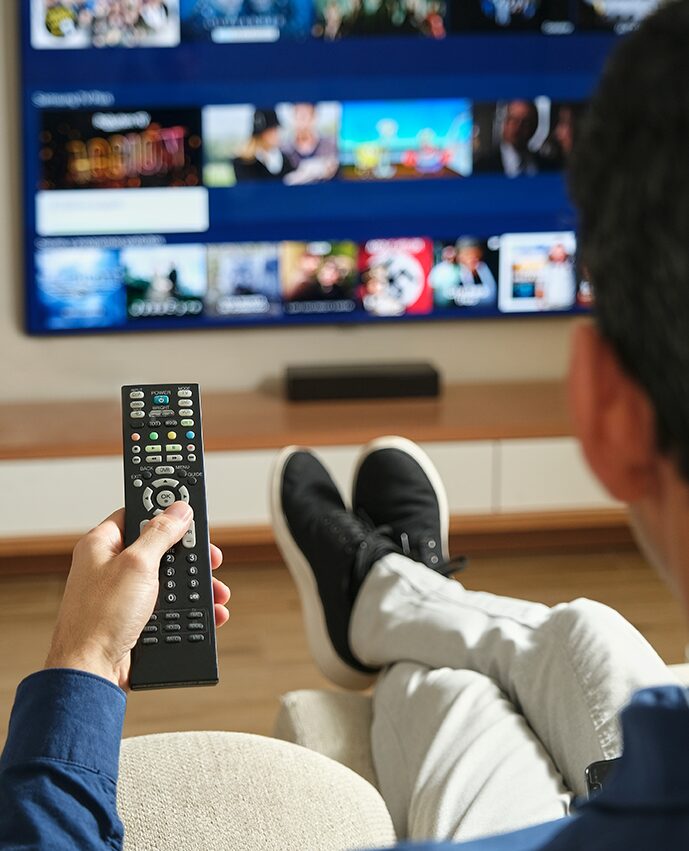
The challenge isn't finding more places to advertise. It's understanding where audiences are already being reached and where meaningful gaps still exist.

The most important question isn't where to advertise
As media fragmentation increases, marketers are often focused on determining which platforms deserve investment.
Williams suggests approaching the challenge differently.
Instead of asking, How many platforms should I include in my plan?
Ask:
Who am I trying to reach, and where are they already being reached?
Rather than evaluating channels independently, marketers can better understand how audiences move across media ecosystems, identify areas of excessive frequency, and uncover opportunities to connect with consumers who remain underexposed.
This audience-first approach shifts planning from inventory decisions to consumer understanding.
Consumer insights reveal where real opportunities exist
Finding those opportunities requires more than platform-level metrics.
As Williams noted during the podcast:
“If you understand where gaps exist in their media consumption, you can make smarter investment decisions. That's where consumer insights really come into play.”
Audience intelligence helps marketers identify which consumers are already saturated with messaging and which groups remain difficult to reach. It can reveal where media investments are creating efficiency and where budgets may simply be generating additional impressions against the same audience.
In an increasingly fragmented marketplace, understanding consumer behavior is becoming just as important as understanding media channels.

The takeaway: Better reach starts with better audience understanding
Streaming has transformed the media landscape, but it has also made audience planning more complex. The marketers who succeed won't necessarily be the ones investing in the greatest number of platforms. They'll be the ones who best understand how their target audiences navigate across those platforms.
As consumers continue moving across linear TV, streaming services, digital video, and emerging media channels, the opportunity lies in identifying what's missing from your reach strategy, not simply adding more inventory.
Because the ultimate goal is not more impressions, it's finding the consumers you haven't reached yet.