How July 4th Party Hosts Set the Seasonal Spending Agenda
Holiday gatherings are a consumer flashpoint in the summer season
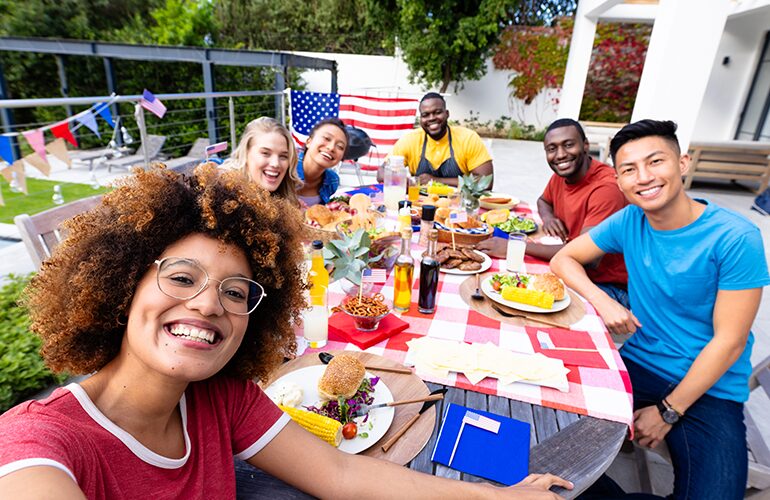
The Fourth of July may be a single holiday on the calendar, but for many Americans, it functions as an early indicator of how the rest of summer will unfold. This year, 73 million U.S. adults plan to host a cookout or event for the Fourth of July (28%), making hosting one of the most common ways Americans choose to celebrate the holiday. Another 19% plan to attend a neighborhood party, reinforcing that July 4th remains a deeply social moment rooted in community and shared experiences.
For marketers, the significance of this moment goes far beyond fireworks and flags. Hosting requires planning, purchasing, and prioritization – making Fourth of July hosts among the most visible and influential decision-makers at the start of the summer season.

Engaging 4th of July Party Hosts can influence the entire summer shopping season
The Host mindset: Emotionally engaged but financially selective
While July 4th brings people together, Americans approach the holiday in distinctly different roles. Adults planning to host July 4th events represent a larger and more engaged segment, and their emotional profile stands out as they head into summer.
- Compared to the total population, July 4th party hosts are 41% more likely to generally feel motivated right now.
- They are 37% more likely to feel excited.
- They are also 16% more likely to feel content with how their life’s going.
This positive mindset, however, doesn’t mean July 4th hosts are immune to economic pressure. They are engaged and planning ahead, while also making careful choices about how they spend.
- Compared to the total population, hosts are slightly more likely to feel like they are living paycheck to paycheck (71%, Index to total adults: 106).
- Yet they are also 15% more likely to say they save in some areas so they can splurge in others.
- This selective mindset shows up in their behaviors, with hosts being 12% more likely to seek out buying products on sale and prioritize spending on meaningful occasions rather than cutting celebrations altogether.
In contrast, those attending neighborhood parties are 34% more likely to say they are cutting back on attending events as a response to inflation. This contrast highlights why hosts are a critical audience despite ongoing economic pressure.
Hosts will drive food and beverage spending
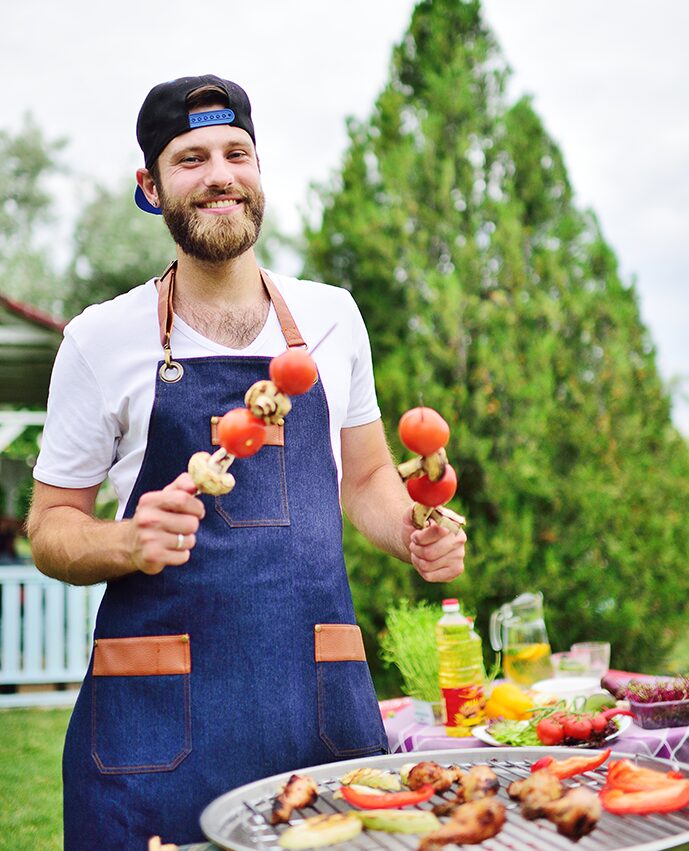
Hosting the Fourth of July comes with a clear shift in purchasing behavior, as hosts take on the role of stocking up not just for a single day, but for the summer ahead.
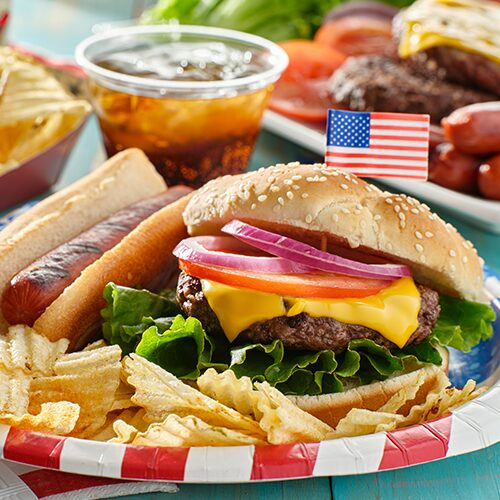
- Compared to the average adult, Fourth of July hosts are 74% more likely to plan to purchase a barbecue or grill for the big day.
- They also significantly over index for planning to buy fireworks and sparklers (Index 167).
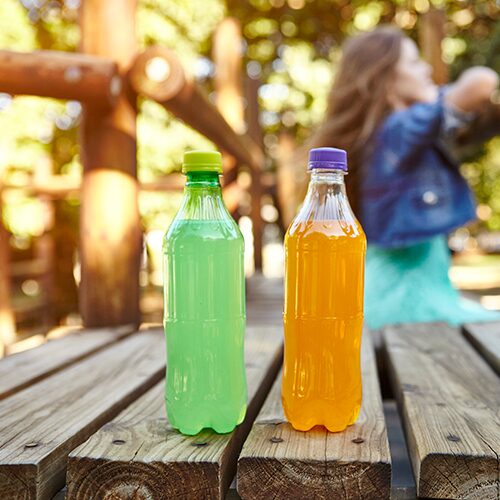
- In addition, hosts are 42% more likely to plan to purchase food, 63% more likely to plan to purchase alcoholic beverages, and 71% more likely to purchase nonalcoholic beverages for the holiday.
These purchases reflect intentional planning rather than impulse, shaped by the needs of hosting groups rather than individual consumption. Beverage plans follow a similar pattern of variety and accommodation.
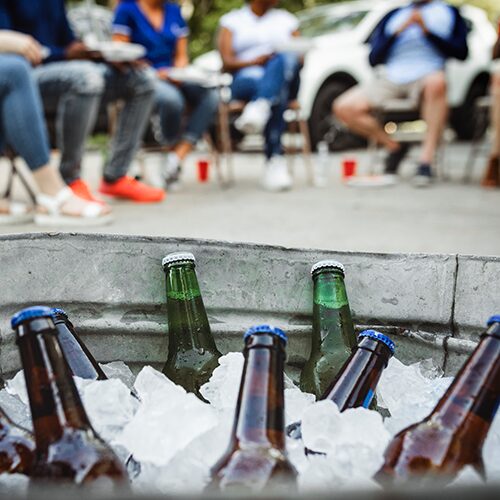
- 38% say they plan to drink more alcoholic beverages this summer, with hosts 46% more likely to plan to drink more beer, 44% more likely for canned cocktails, and 42% more likely to plan to drink more liquor.
- At the same time, 50% of hosts plan to cut back on at least one type of alcoholic beverage in favor of something else, underscoring the importance of having nonalcoholic options.
Together, beverage behavior similarly emphasizes flexibility, with hosts planning for both alcoholic and nonalcoholic options as part of creating an inclusive hosting experience.
Hosts have plans beyond the backyard
The behaviors that define Fourth of July hosts don’t end once the holiday passes – they often foreshadow how summer unfolds more broadly.
- July 4th hosts are 35% more likely to take a beach or lake trip this summer and 34% more likely to plan a road trip, signaling continued engagement in seasonal experiences.
- Hosts also over index for planning to attend food and beverage festivals (20%, 159), theme parks (27%, 154), and reunions (24%, 137), reinforcing their role as social organizers who extend gatherings beyond their own backyard.
These patterns suggest that hosting is less about a single celebration and more about an ongoing rhythm of connection. Cultural context further reinforces this role as Americans look ahead to the 250th anniversary of the nation’s founding.
- 80% of hosts believe 250th Anniversary events will help bring communities together.
- 78% wish there was more information available on the events happening this year.
- 41% of hosts would even be willing to travel across state lines to attend an anniversary event.
Even as enthusiasm for large national celebrations varies, community-level participation remains strong among hosts, underscoring their role as connectors who turn cultural moments into shared experiences.

July 4th Hosts' purchases are a signal for what comes next
Activate July 4th Audiences with MRI-Simmons
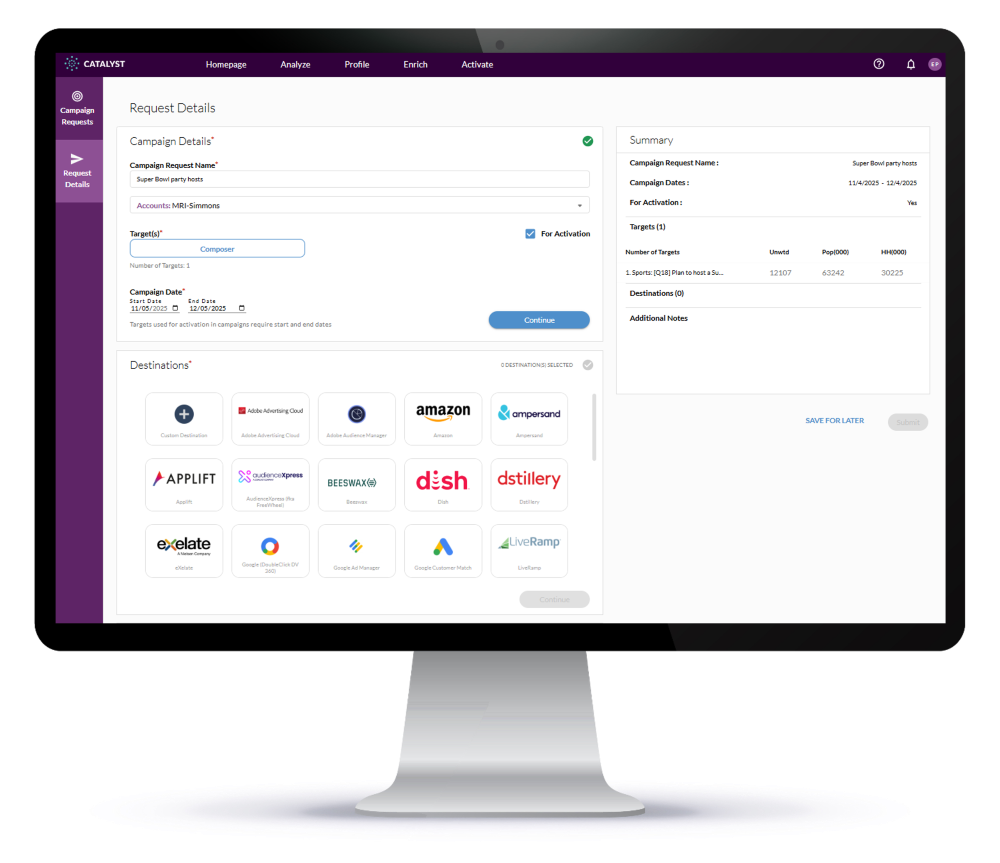
Through MRI-Simmons' activation solution, ACT, marketers can leverage trusted and nationally representative data to target and reach Wholesale Club Beer Buyers, Event Snack Buyers, Last-Minute Bargain Hunters, one of our 100s of off-the-shelf targets, or any target of your choice.
Curate your audience with over 60,000 consumer elements: 1000+ attitudes and opinions, 6500+ brands in 1000+ product categories; and 90+ proprietary segments. Then, activate your audience via the ad-tech platform or media partner of your choice.
Leverage MRI-Simmons data to create the right audience for your next campaign
Through MRI-Simmons' activation solution, ACT, marketers can leverage trusted and nationally representative data to target and reach Wholesale Club Beer Buyers, Event Snack Buyers, Last-Minute Bargain Hunters, one of our 100s of off-the-shelf targets, or any target of your choice.
Curate your audience with over 60,000 consumer elements: 1000+ attitudes and opinions, 6500+ brands in 1000+ product categories; and 90+ proprietary segments. Then, activate your audience via the ad-tech platform or media partner of your choice.
Conclusion
Fourth of July hosts combine emotional readiness, strategic spending, and social leadership to stand out as one of the most influential consumer segments of the summer. Their early investments in food, beverages, and hosting essentials often shape spending patterns well beyond the holiday itself. Rather than opting out amid inflation, hosts make deliberate tradeoffs to preserve the moments that matter most.
For marketers and media planners, this makes Fourth of July hosts a high-value target for seasonal activation. Engaging hosts early allows brands to influence decisions that shape shopping and media behaviors throughout the season. July 4th isn’t just a moment – it’s an early indicator of how summer spending and connection will unfold.
Sources: MRI-Simmons 2026 Q2 Trending Topics Study (W26 USA); Base: Plan to host a cookout or event for the 4th of July