Back-to-School Shopping Trends of the 2026 Season

MRI-Simmons' Trending Topics Study reveals how economic pressures, early planning, and digital touchpoints are redefining back-to-school shopping in 2026.
Back-to-school shopping is more than a seasonal retail moment. It’s an emotionally charged reset for families and a powerful opportunity for advertisers to influence purchase decisions. Parents are balancing rising costs with the desire to set their kids up for success, making this season especially competitive for brands. From school supplies and apparel to tech and personal items, back-to-school spans multiple categories that parents shop across both online and in-store. Kids also play a strong role in shaping what ends up in the cart, increasing the importance of messaging that resonates with both adults and children. For advertisers, this means back-to-school is not just about promotions, but about relevance, timing, and trust. Understanding how parents plan to shop this year is key to capturing attention and driving conversions when spending intent is high.
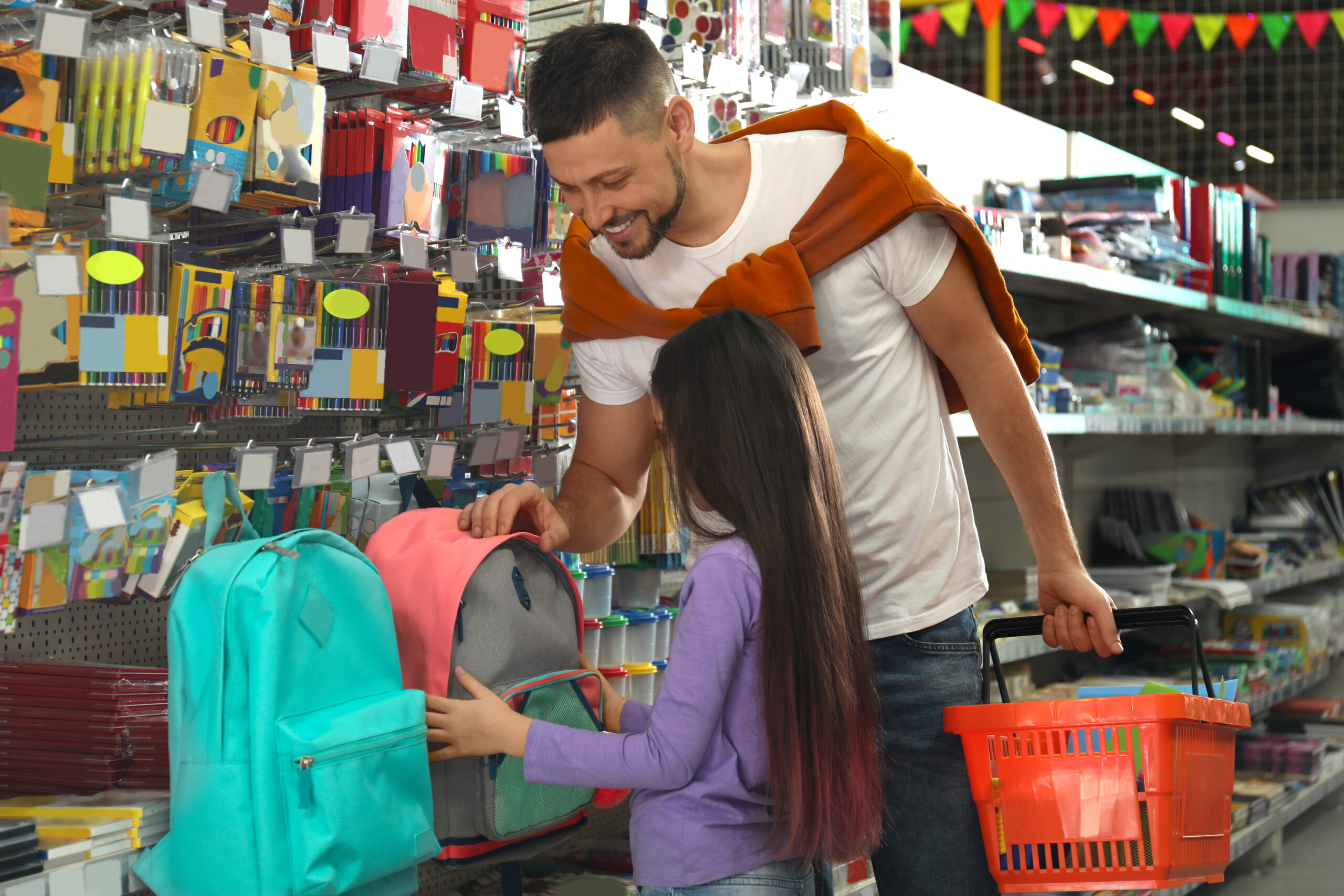

For advertisers, back-to-school is not just about promotions, but about relevance, timing, and trust.
Inflation shapes a value-first back-to-school mindset.
Parents of school-aged kids are entering this back-to-school season extremely budget conscious.
- 84% say that most things today are too expensive overall. As a result, 84% plan to be more active in seeking out discounts and deals, and 82% prioritize value over brand when deciding what to buy and where to shop.
- Inflation is forcing meaningful trade-offs, with 39% cutting back on buying clothing and apparel and 34% shopping at dollar or discount stores more often.
- 33% are switching from name brands to store brands or generics to stretch their budgets further.
- Secondhand options are also gaining traction, as 25% are buying more used items online from places like Facebook Marketplace and Craigslist, and 22% are shopping for clothing at consignment and secondhand stores or websites—reinforcing that thriftiness is now mainstream.

Strategic splurges still win when needs and wants align.
Despite widespread cost concerns, parents are not unwilling to spend when the product truly matters to their child.
For advertisers, this means aspirational messaging still works when paired with practicality. Products that solve real needs or enhance a child’s school experience can justify premium pricing.

82% are willing to spend extra to get their child what they need for school, and 80% think it’s important to buy the back-to-school products their child wants.
This balance between restraint and reward creates a powerful opening for brands that clearly communicate value and purpose.

62% of parents plan to do more back-to-school shopping this school year compared to last year, signaling strong intent despite inflation.
Black parents over-index here, being 14% more likely to plan to do more shopping than last year.
Early, extended, and event-driven shopping cycles.
Timing is shifting this year, and parents are stretching the back-to-school season across more months and moments.
- A majority, 78%, plan their back-to-school shopping around seasonal sales events, reinforcing the importance of promotional calendars.
- At the same time, 73% plan to start shopping earlier than normal, with parents ages 35–44 being 12% more likely to do so.
- Even with early starts, shopping doesn’t end when the bell rings, as 57% plan to shop for school supplies after school starts. Younger parents ages 25–34 are 20% more likely to shop after school begins, suggesting rolling purchase behavior.
This fragmented timeline gives advertisers more touchpoints to stay top of mind. Brands that show up consistently across phases can capture both early planners and last-minute buyers.

Timing is shifting this year, and parents are stretching the back-to-school season across more months and moments, giving advertisers more opportunities to stay top of mind.

Kids' apparel remains a critical category, with 38% of parents buying in the last six months
- On average, they spent $648 on kids’ clothing during that time, underscoring meaningful revenue potential.
- Emotions while shopping for kids’ apparel vary, with 42% feeling in control and 13% feeling overwhelmed.
- In-store expectations are high, as 94% say speed is important, 91% want quick returns, and 87% value in-store-only sales and promotions.
- Online shopping influences run deep for kids’ apparel buyers, especially when convenience is guaranteed. 85% are influenced to shop on certain websites if they offer same-day or express delivery, while 58% are swayed by free shipping. Ease of use also matters, with 49% saying a simple website experience affects where they shop online.
- Nearly half, 45%, read product reviews before purchasing kids’ apparel online, reinforcing the importance of social proof. These shoppers are also more deliberate, with 77% spending more time researching brands than before.
- Parents of school-aged kids over index for shopping at several stores—whether in person or online—over the past month (compared to the average U.S. adult), including The Gap (5%, 150), H&M (6%, 136), Shein (10%, 131), Old Navy (14%, 128), and Five Below (17%, 127).
Why advertisers should double down on back-to-school adults
This year’s back-to-school season proves that even budget-conscious parents are ready and willing to spend on the right products for their child. They are value-driven but not value-only, balancing careful budgeting with strategic splurges for their kids. Advertising plays a direct role in discovery and decision-making, particularly digital and video formats that inform parents across an extended, multi-phase shopping window. Parents are shopping earlier, longer, and more intentionally, giving brands multiple chances to connect. Brands that stay present early, adapt to prolonged purchasing cycles, and help parents feel confident in their choices are best positioned to win during this high-intent season.
Activate Back-to-School audiences with MRI-Simmons
Leverage MRI-Simmons data to create the right back to school audience for your next campaign
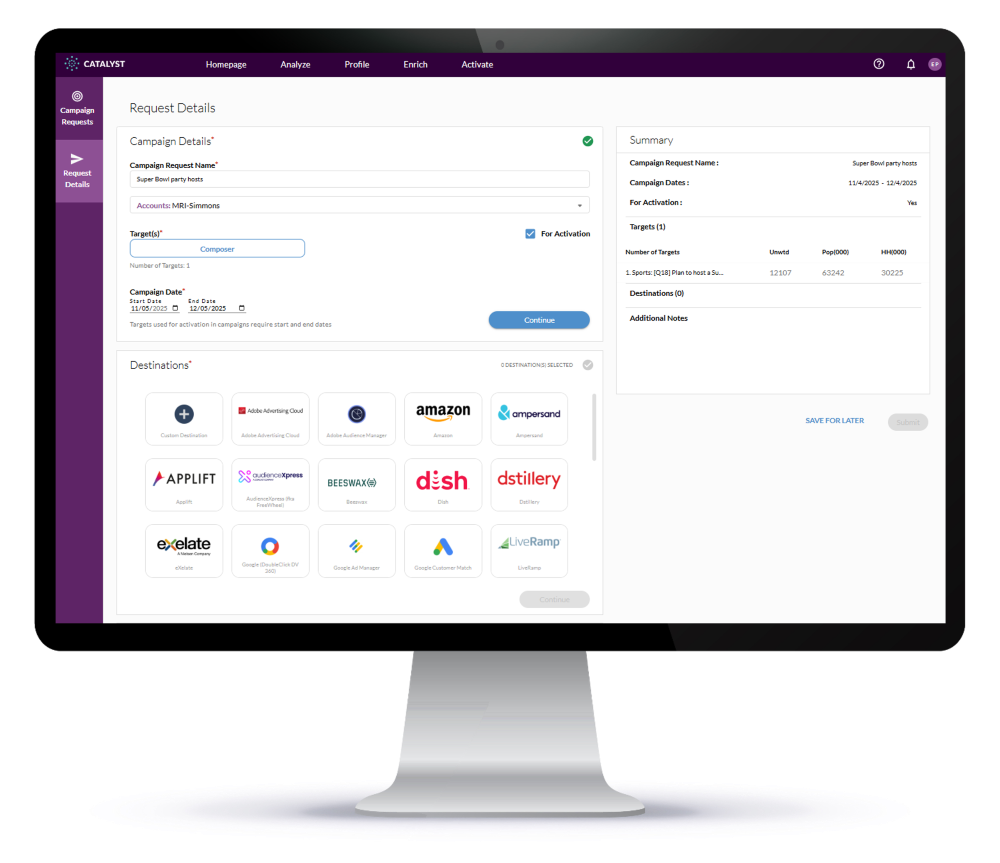
Through MRI-Simmons' audience activation platform, marketers can leverage trusted, nationally representative consumer insights to create and target Thrifty School Shoppers, Back-To-School Splurgers, and any target in between.
Audiences can be curated from over 60,000 consumer attributes, including 1000+ attitudes and opinions, 6500+ brand preferences, shopping styles, and media habits.
Audiences can be seamlessly activated through the ad-tech platform or media partner of your choice.
Learn more about our back-to-school audiences that are ready for activation.
Sources: MRI-Simmons 2026 Q2 Trending Topics Study (W26 USA); 2026 March Retail Trends Study (F25 USA) Base: Have kid(s) 6-17 years old